
Reflexology has been around for a long time, but interest in it seems to be increasing. Many people are looking for gentle ways to relax and look after their wellbeing, and reflexology often comes up in those conversations. Here’s a look at why it’s attracting attention.
Life is busy, and people want to unwind
Many people are juggling work, family and constant notifications. Stress is a common concern, and people are looking for simple, enjoyable ways to slow down. A reflexology session offers a quiet, hands-on break that many clients find deeply relaxing.
A popular complementary therapy
Reflexology is often used alongside other therapies, such as massage, beauty treatments or general wellbeing routines. Its gentle approach makes it a natural addition to a self-care plan, rather than a replacement for medical care.
Gentle and non-invasive
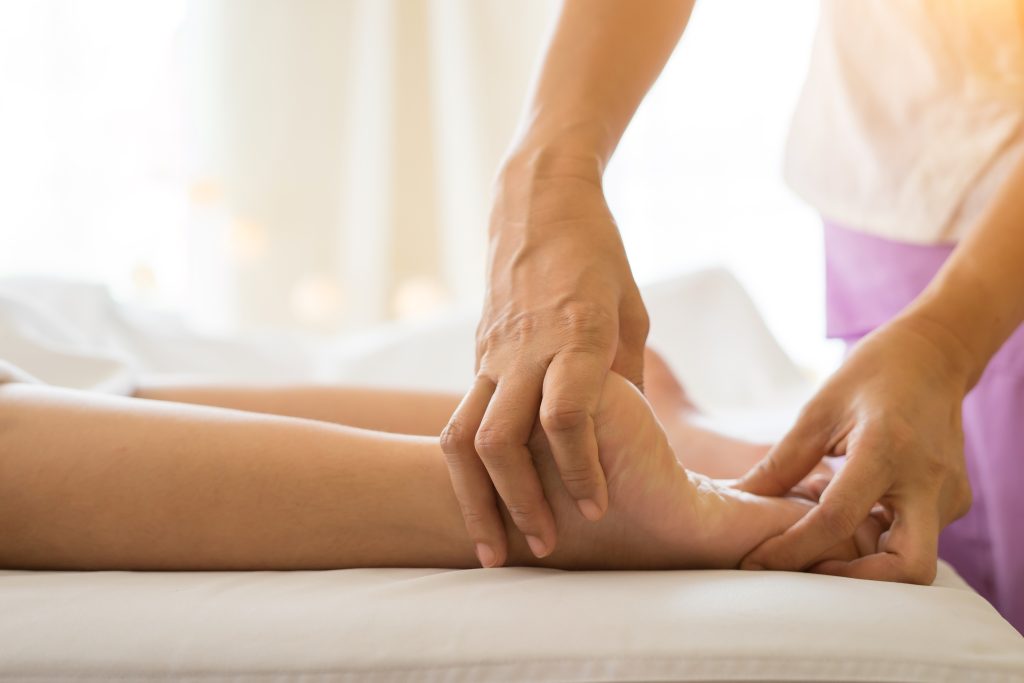
Reflexology uses light to firm pressure on the feet and hands, and it’s generally considered gentle. Clients usually stay fully clothed and can talk or rest throughout. That makes it appealing to many people who want a calm, low-pressure experience.
Growing interest in training
As more people book treatments, more also want to learn how to offer them. Professional training, with clear guidance on technique, consultation and ethics, is becoming a popular way to start a new career or add a skill to an existing one.
What reflexology can and can’t do
It’s important to be honest about reflexology. Clients often report feeling relaxed and balanced, but research on its effects is still limited and mixed. Reflexology is best seen as a complementary therapy that supports relaxation and wellbeing, not a treatment for medical conditions. Anyone with a health concern should speak to their doctor.
Frequently Asked Questions
Why do people choose reflexology?
Most people choose it to relax, reduce stress and take some time for themselves.
Is reflexology supported by research?
Research is still developing, and results vary. It’s widely used as a complementary therapy for relaxation and wellbeing, but it isn’t a substitute for medical advice.
Who can benefit from reflexology?
Many people enjoy it as a gentle, non-invasive form of relaxation. Anyone with a medical condition or who is pregnant should check with their doctor before booking.